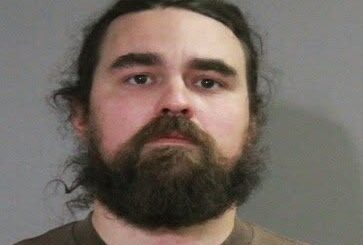
“Death of a Showgirl”: 20/20 Reports on Deborah Flores Narvaez Homicide April 17 2026
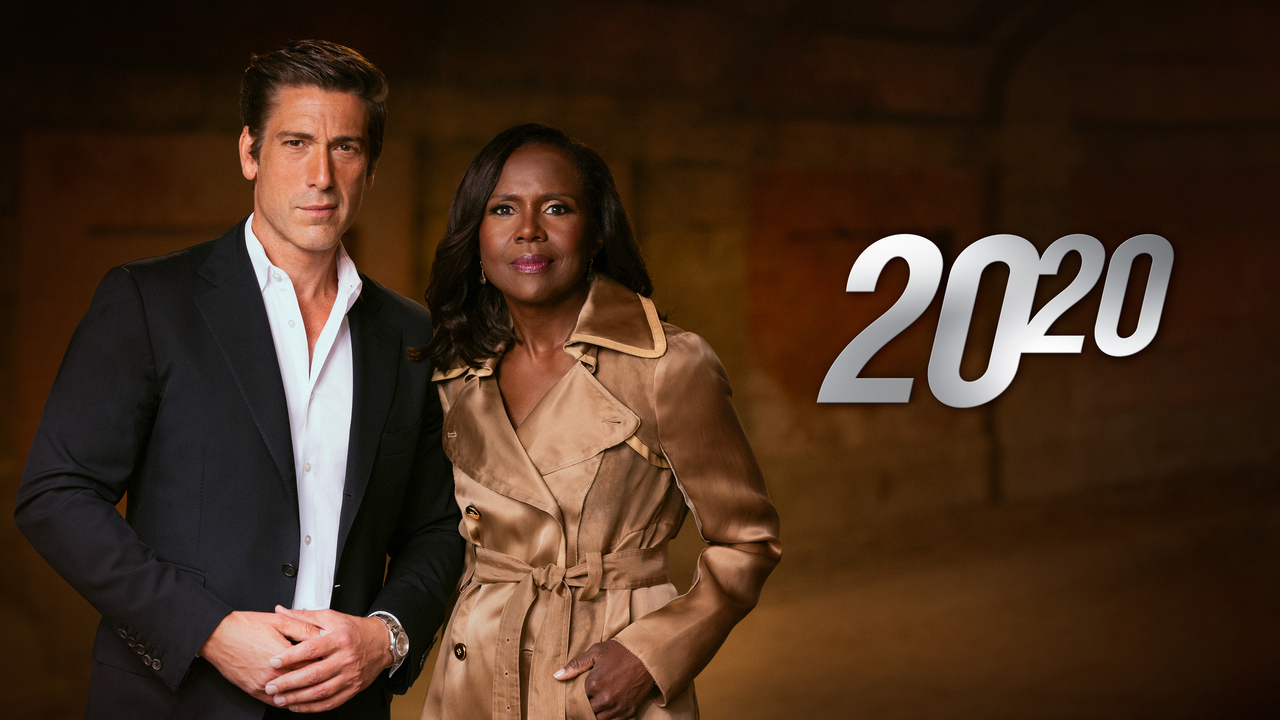
ABC’s 20/20 returns on Friday, April 17, 2026, with Death of a Showgirl, a two-hour episode centered on the killing of Las Vegas performer Deborah “Debbie” Flores Narvaez. The broadcast revisits a case that drew major attention in Nevada after a young dancer disappeared at a key moment in her career, leaving family, friends, and investigators searching for answers.
The episode traces the case from Flores Narvaez’s sudden disappearance in December 2010 through the homicide investigation, the discovery of her remains, and the conviction of her ex-boyfriend, Jason “Blu” Griffith. Through that timeline, 20/20 examines the relationship at the heart of the case, the evidence gathered by police, and the lasting impact of the crime on those closest to Debbie.
- Who Was Deborah Flores Narvaez & What Happened to Her? 2026 Update & Profile
- Who Is Jason “Blu” Griffith & Where Is He Now? 2026 Update & Profile
- Who Is Louis Colombo & Where Is He Now? 2026 Update & Profile
Contents
- A Performer Building a New Life in Las Vegas
- The Sudden Disappearance That Alarmed Family and Friends
- Early Leads and a Growing Focus on Jason “Blu” Griffith
- A Troubled Relationship and Evidence of Prior Violence
- The Tip That Broke the Case Open
- What Prosecutors Said Happened to Debbie Flores Narvaez
- Discovery of the Remains and the Medical Findings
- The Trial, Conviction, and Sentence
- The Lasting Impact of the Case
- More “Death of a Showgirl”
- More Feature Articles
A Performer Building a New Life in Las Vegas
Deborah Flores Narvaez had left a career in finance to pursue dance in Las Vegas. Friends and colleagues described her as driven, lively, and committed to building a future in entertainment. By late 2010, she had performed in chorus roles and was working toward a larger opportunity that could have elevated her profile on the Strip.
That opportunity appeared to be arriving in December 2010. Flores Narvaez was preparing for a midnight rehearsal connected to Fantasy at the Luxor, where she had developed a special segment with singer Sisqó. According to prosecutors and those interviewed later about the case, that rehearsal mattered a great deal to her. When she failed to appear, concern set in at once because missing such an important professional commitment was out of character.
The Sudden Disappearance That Alarmed Family and Friends
Flores Narvaez was last seen on December 12, 2010, after leaving her residence and going to see her former boyfriend, Jason Griffith. When she did not return and failed to report for rehearsal, a producer contacted Las Vegas police. Her roommate then filed a missing persons report within 48 hours. From the beginning, those around her rejected the idea that she had chosen to leave on her own.
Her sister, Celeste Flores Narvaez, spoke publicly during the search and stressed that Debbie would not have walked away from her life. Police retraced her final known movements and examined the facts surrounding her disappearance. Investigators learned that Griffith had been the last known person to see her, which made him central to the inquiry from the early stages of the case.
Early Leads and a Growing Focus on Jason “Blu” Griffith
Detectives reviewed surveillance footage from Flores Narvaez’s residence, which showed her leaving around 6 p.m. on the night she vanished. She was wearing black boots, and investigators later located her car with those boots and her purse inside. Her phone activity, financial activity, and social media activity stopped after the evening of December 12, a strong sign that something had gone wrong.
Griffith, a performer in Cirque du Soleil’s Love at The Mirage, told police that Flores Narvaez had stopped by for a short conversation and then left. He also suggested that she might be suicidal, but investigators found no evidence from her family, friends, or behavior to support that claim. As detectives dug deeper, they uncovered Griffith’s prior domestic violence arrest involving Flores Narvaez. That history added weight to suspicions that the case involved foul play rather than a voluntary disappearance.
A Troubled Relationship and Evidence of Prior Violence
The investigation revealed that Flores Narvaez’s personal relationships had involved conflict and violence. Detectives examined another former boyfriend from an earlier period in her life after learning that relationship had also been volatile. Prosecutors later said Flores Narvaez had suffered injuries in that earlier relationship and had obtained a civil award. That man was eventually ruled out after investigators confirmed he was in Baltimore when she disappeared.
Attention then returned to Griffith. Investigators learned that he had been involved with both Flores Narvaez and another dancer at the same time. Evidence also showed that Griffith and Flores Narvaez had a troubled history. In one earlier incident, he had pushed her to the ground, leading to a domestic violence case. This background became significant because it helped prosecutors argue that the killing was part of a pattern of control and violence, not a sudden or accidental act.
The Tip That Broke the Case Open
For days, detectives had little physical evidence tying Griffith to a homicide. A search of his residence did not reveal blood or clear forensic signs of a killing. The case remained active in the media, and police held a press conference asking for public help. Then, on January 5, 2011, the investigation changed course after one of Griffith’s former girlfriends came forward with critical information.
She told police that Griffith had tried to store a large plastic bin at her house on December 15. He had arrived with his roommate, Louis Colombo, in a rented U-Haul. When she asked what was inside the bin, Griffith allegedly told her, “You don’t want to know.” She refused to let him leave it there. Investigators confirmed through surveillance and rental records that Griffith had rented a U-Haul on December 14 and returned it two days later. That tip gave police a new timeline and a concrete path toward what had happened after Debbie disappeared.
What Prosecutors Said Happened to Debbie Flores Narvaez
Police then turned to Louis Colombo, who eventually provided the account that led investigators to Debbie’s remains. According to prosecutors, Flores Narvaez and Griffith had a violent argument at his home on the night of December 12. Colombo told police that he saw her with her arms extended and a plastic bag over her head. Prosecutors said Griffith later told Colombo he had placed the bag over her head to determine whether she was still alive.
Colombo stated that he helped Griffith move and conceal the body after the killing. Prosecutors said Griffith and Colombo folded the body, taped it, and placed it in a large plastic container. Griffith then bought concrete mix and attempted to encase the remains inside a tub. He obtained access to a vacant downtown property owned by another former girlfriend, and the men transported the container there in the U-Haul. When the first container cracked, prosecutors said they broke apart the concrete, dismembered the body, and placed the torso and legs into separate tubs filled with cement.
Discovery of the Remains and the Medical Findings
Colombo led police to the vacant residence where the containers had been stored. What detectives found there confirmed their fears. Investigators recovered the remains of Deborah Flores Narvaez from the tubs and separated them from the cement. The condition of the body reflected a deliberate effort to hide the crime and delay identification.
The Clark County medical examiner concluded that Flores Narvaez had died from strangulation. That finding became central to the prosecution’s case. It also undercut any suggestion that her death had been accidental or unrelated to violence. The recovery of the body transformed the investigation from a missing persons case into a murder prosecution built on witness testimony, physical evidence, rental records, and Griffith’s own conduct after Debbie vanished.
The Trial, Conviction, and Sentence
Jason “Blu” Griffith was arrested and later brought to trial in Clark County. During the proceedings, prosecutors argued that he killed Flores Narvaez during an argument and then went to great lengths to hide the body. The state portrayed the crime as intentional and brutal, and it relied in part on Louis Colombo’s testimony to explain what happened after the killing.
Griffith testified in his own defense and claimed that Flores Narvaez’s death occurred in self-defense. He said he grabbed her from behind because he believed she was reaching for a purse that might contain a gun. No weapon was found. Prosecutors rejected that account and argued that it was invented after the fact. In May 2014, a jury found Griffith guilty of second-degree murder. He was later sentenced to 10 years to life in prison. His parole request was denied in 2020, and he remains incarcerated.
The Lasting Impact of the Case
The murder of Deborah Flores Narvaez left a deep mark on her family, friends, and the Las Vegas performing community. She had come to the city to build a new chapter through dance, and those who knew her continued to speak about both her talent and her determination. The case drew public attention not only because of the method used to conceal the crime, but because it involved a young woman whose career had been on the rise.
Death of a Showgirl revisits the human cost behind the headlines. The episode is not only a story about a homicide investigation, but also a record of how warning signs in an abusive relationship can precede fatal violence. By following the path from Debbie’s disappearance to the courtroom verdict, 20/20 presents a case that remains one of the most disturbing crimes tied to the Las Vegas entertainment world.
More “Death of a Showgirl”
- “Death of a Showgirl”: 20/20 Reports on Deborah Flores Narvaez Homicide April 17 2026
- Who Was Deborah Flores Narvaez & What Happened to Her? 2026 Update & Profile
- Who Is Jason “Blu” Griffith & Where Is He Now? 2026 Update & Profile
- Who Is Louis Colombo & Where Is He Now? 2026 Update & Profile
More Feature Articles
- “Death of a Showgirl”: 20/20 Reports on Deborah Flores Narvaez Homicide April 17 2026
- “Deadly Swagger”: Dateline Reports on Dan Serafini Murder Case April 17 2026
- “The Killer on Camera 4”: Dateline Reports On Jon Hickey Homicide April 18 2026
- “Jade Colvin Is Missing”: 48 Hours Reports April 18 2026
- 60 Minutes Reports on “One Mother’s Story” & “Wild Concerto” on April 19 2026