“Broken Vows”: 20/20 Revisits the Pamela Smart Murder Case August 7 2026
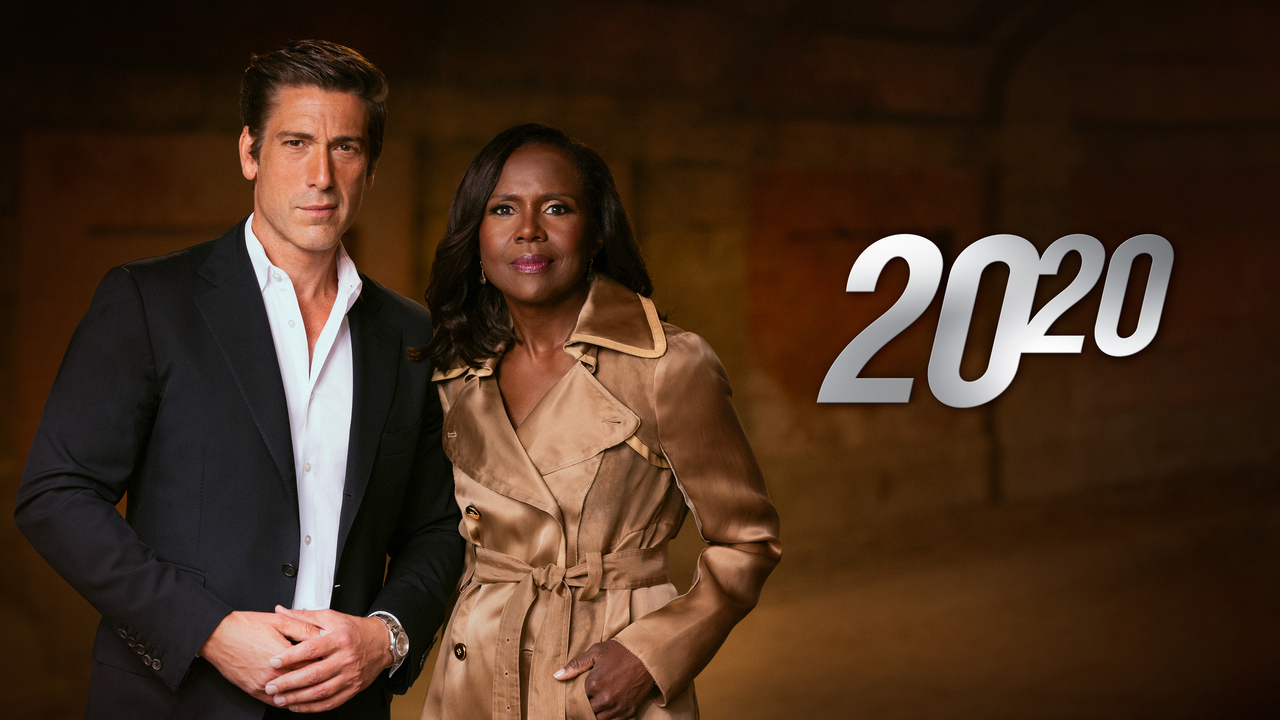
ABC’s 20/20 presents an encore of “Broken Vows” on Friday, August 7, 2026, at 9/8c, returning to a murder case that became one of the defining American crime stories of the early 1990s. The episode examines the death of 24-year-old Gregg Smart, the relationship between his wife, Pamela Smart, and 15-year-old William “Billy” Flynn, and the murder conspiracy that sent Smart to prison for life without the possibility of parole.
More than 35 years after Gregg was killed inside his Derry, New Hampshire, condominium, the case remains the subject of legal challenges and debate. Smart has never admitted ordering Flynn to murder her husband, but in 2024 she made a major change in how she discussed the crime, accepting responsibility for her role in the circumstances that led to Gregg’s death after spending decades deflecting blame.
The story has also returned to court. In July 2026, Smart appeared by video from prison as her attorneys sought to advance a new petition challenging her conviction, arguing that inaccurate transcripts of secret recordings, problems with jury instructions and the extraordinary publicity surrounding her 1991 trial violated her constitutional rights. The state has asked that the petition be dismissed.
- Who Is Pamela Smart and Where Is She Now? 2026 Update & Profile
- Who Was Gregg Smart and What Happened to Him? 2026 Update & Profile
Contents
- Pamela and Gregg Smart Begin Their Marriage
- Pamela Smart Begins a Relationship With 15-Year-Old Billy Flynn
- Prosecutors Say Pamela Smart Wanted Her Husband Dead
- Gregg Smart Is Murdered Inside His Derry Home
- A Supposed Burglary Begins to Unravel
- Cecelia Pierce Becomes a Key Witness
- Pamela Smart Is Arrested for Gregg’s Murder
- Billy Flynn Says Pamela Smart Gave Him a Choice
- The Pamela Smart Trial Becomes a Television Spectacle
- The Secret Recordings Become Crucial Evidence
- Pamela Smart Is Convicted and Sentenced to Life
- Billy Flynn and the Other Teenagers Receive Prison Sentences
- Pamela Smart Builds a Life Behind Prison Walls
- Pamela Smart Spends Decades Fighting Her Conviction and Sentence
- The New Hampshire Supreme Court Rejects Her 2023 Petition
- Pamela Smart Accepts Responsibility in 2024
- Another Clemency Effort Fails Under Gov. Kelly Ayotte
- Pamela Smart Seeks a New Trial in 2026
- A July 2026 Hearing Puts the Case Back in Court
- The Question of Media Influence Has Followed the Case for Decades
- The Pamela Smart Case Becomes Part of American Popular Culture
- Gregg Smart Remains at the Center of the Story
- What Does Pamela Smart Admit Today?
- Where Is Pamela Smart Now?
- “Broken Vows” Returns to One of America’s Most Famous Murder Trials
- More “Broken Vows”
- More Feature Articles
Pamela and Gregg Smart Begin Their Marriage
Pamela Ann Wojas was born in Coral Gables, Florida, in 1967 and spent part of her childhood in Miami before her family moved to New Hampshire. She attended Pinkerton Academy in Derry and later studied communications at Florida State University. During college, she developed an interest in media and hosted a radio program under the name “Maiden of Metal.”
Pamela met Gregg Smart during a visit to New Hampshire over Christmas break in 1986. Their relationship developed the following year, and they married in 1989. Gregg moved to Florida while Pamela completed her studies before the couple established their life together in New Hampshire.
Their marriage soon developed problems. Pamela later said she loved Gregg and had imagined that they would have children and build a future together. The prosecution at her eventual murder trial presented a much different picture of the marriage during its final months.
Pamela found work as a media coordinator at Winnacunnet High School in Hampton, New Hampshire. It was through her work and involvement with a school program that she encountered the teenager who would become central to Gregg Smart’s murder.
Pamela Smart Begins a Relationship With 15-Year-Old Billy Flynn
Pamela became acquainted with William “Billy” Flynn through Project Self-Esteem, a school drug-awareness program. Flynn was a 15-year-old sophomore. Pamela was a married adult school employee in her early 20s.
Their relationship became sexual.
Pamela later acknowledged that the relationship was wrong. She told 20/20 that she had feelings for Gregg while also developing feelings for Flynn. According to her later account, she understood that the situation could not continue and viewed the relationship with Flynn as something that would end.
Cecelia Pierce, another teenager who worked with Pamela, knew about the relationship. Pierce later described Pamela as having once been like an older sister to her. She also told investigators that she had direct knowledge that Pamela and Flynn were having sex.
Flynn gave authorities a far more damaging account. He claimed Pamela discussed killing Gregg and convinced him that her husband’s death was the only way they could remain together.
Prosecutors Say Pamela Smart Wanted Her Husband Dead
According to the prosecution, Pamela did not simply complain about her marriage. Prosecutors alleged that she developed a plan in which Flynn and his friends would kill Gregg while she remained away from the condominium, providing her with an alibi.
Flynn claimed Pamela repeatedly raised the idea of killing her husband. He said she presented Gregg as an obstacle to their relationship and convinced him that divorce was not a viable solution.
Prosecutors also argued that money formed part of the circumstances surrounding the crime. Gregg had a life insurance policy worth about $140,000. Investigators received information that the teenagers had discussed receiving money after the murder.
Pamela denied the central allegation. She admitted the relationship with Flynn but maintained that she never instructed him to kill Gregg and did not know that Flynn and his friends planned the murder.
That dispute became the central question of her trial. The prosecution said Pamela used Flynn’s feelings for her to turn a teenage relationship into a murder conspiracy. The defense said Flynn and the other teenagers blamed Pamela after the killing to protect themselves and obtain favorable treatment from prosecutors.
Gregg Smart Is Murdered Inside His Derry Home
On May 1, 1990, Gregg Smart returned to the condominium he shared with Pamela in Derry. Flynn and 17-year-old Patrick “Pete” Randall were waiting inside.
Two other teenagers, Vance “J.R.” Lattime Jr. and Raymond Fowler, were involved in the operation surrounding the killing. Lattime provided transportation and his father’s .38-caliber revolver. Fowler remained outside during the murder.
According to testimony from Flynn and Randall, Gregg was overpowered after entering his home. He was forced onto his knees in the foyer. Randall held a knife to him while Flynn held the gun.
Flynn later described hesitating before firing. He eventually pulled the trigger, shooting Gregg in the head with a hollow-point bullet.
Gregg died at the age of 24.
The condominium had been disturbed to make the killing resemble a burglary. Items were moved or taken, creating an initial appearance that Gregg might have encountered an intruder during a property crime.
Pamela was away from the condominium at a work meeting when the murder occurred. She returned home and found her husband dead.
A Supposed Burglary Begins to Unravel
Investigators did not have an immediate path to Pamela Smart. The scene appeared to point toward a burglary, and the connection between a married school employee and several teenagers was not apparent at the start of the investigation.
The case changed when Vance Lattime Sr. brought a .38-caliber revolver to police. He had learned that the weapon might have been connected to Gregg’s killing.
Ballistics testing linked the gun to the murder.
Investigators then learned that teenagers had been discussing details of the killing. Ralph Welch told police about conversations involving Lattime and Randall. According to Welch, the teenagers had discussed who entered the condominium, who remained outside and how Gregg had been killed.
The investigation still needed an explanation for why teenagers would murder Gregg Smart.
That connection came through Cecelia Pierce.
Cecelia Pierce Becomes a Key Witness
Pierce told investigators about Pamela’s relationship with Flynn. Her information provided the link between the teenagers and Gregg Smart’s wife.
Police then turned Pierce into one of the most important witnesses in the case.
She agreed to secretly record conversations with Pamela. The resulting tapes became central evidence for prosecutors.
In one recorded conversation, Pamela warned Pierce about what could happen if she told investigators the truth. Prosecutors interpreted the statements as evidence that Pamela knew about the murder conspiracy and was attempting to prevent Pierce from exposing it.
Pamela later offered another explanation. She maintained that she was pretending to know more than she did because she wanted Pierce to reveal what Flynn had done and what investigators knew.
That explanation would become part of a larger pattern in the case. Pamela acknowledged conduct that placed her close to the people responsible for Gregg’s murder but rejected the prosecution’s conclusion that she had planned it.
Pamela Smart Is Arrested for Gregg’s Murder
On August 1, 1990, Detective Daniel Pelletier approached Pamela in the parking lot at her school.
Pamela knew Pelletier from previous contacts during the investigation. According to an account of the arrest, Pelletier told her that he had good news and bad news. The good news was that investigators had solved her husband’s murder. The bad news was that Pamela was under arrest.
She was taken into custody and charged in connection with Gregg’s death.
Pamela later said she did not believe at first that the prosecution would succeed because she believed she had not participated in the murder.
By then, however, the teenagers were cooperating with investigators.
Flynn, Randall, Lattime and Fowler admitted roles in the crime. Their testimony gave prosecutors witnesses who could describe both the murder and what they claimed Pamela had done before it.
Billy Flynn Says Pamela Smart Gave Him a Choice
Flynn became the most important witness against Pamela.
He told investigators and later jurors that Pamela had persuaded him that Gregg needed to die. Flynn described himself as an inexperienced teenager who had become consumed by his relationship with an attractive adult woman.
According to Flynn, Pamela told him that killing Gregg was the only way they could remain together.
At trial, he described his feelings for Pamela and his state of mind before shooting Gregg. His testimony presented the murder as something he committed because he believed it was necessary to preserve their relationship.
Randall provided further testimony against Pamela.
He testified that Pamela discussed the plan before Gregg was killed. According to Randall, she told them the back doors would be unlocked, instructed them not to hurt her dog, allowed them to ransack the condominium and told them to wait for Gregg.
When Gregg arrived, Randall testified, they were to kill him.
Pamela denied giving those instructions.
The Pamela Smart Trial Becomes a Television Spectacle
Pamela Smart went on trial in March 1991 at Rockingham County Superior Court.
The proceeding became a national media event. It was among the first American murder trials to receive live television coverage from beginning to end, years before the O.J. Simpson case demonstrated the scale that televised criminal proceedings could reach.
Television stations devoted extensive airtime to the case. Newspapers published a stream of stories about Pamela, Flynn and the allegations involving sex and murder.
The prosecution presented Pamela as the person who set the killing in motion.
Assistant Attorney General Diane Nicolosi argued that Pamela had manipulated teenagers, with Flynn serving as the instrument through which she removed her husband. Prosecutors said she wanted to avoid divorce and wanted Gregg dead without having to commit the killing herself.
The defense attacked the credibility of Flynn and the other teenagers. Pamela’s attorney, Mark Sisti, argued that the young men had strong incentives to place responsibility on her because they had negotiated agreements with prosecutors.
Pamela also took the witness stand.
She acknowledged the relationship with Flynn but denied planning Gregg’s death or knowing in advance that he would be murdered.
The Secret Recordings Become Crucial Evidence
Pierce’s recordings gave prosecutors evidence beyond the accounts of teenagers who had negotiated plea agreements.
The tapes appeared to show Pamela attempting to influence what Pierce would tell authorities. Combined with the testimony of Flynn, Randall and the other participants, prosecutors argued that the recordings exposed Pamela’s knowledge of the conspiracy.
The defense disputed the meaning of the conversations.
Decades later, those recordings would become central to another legal battle.
Pamela’s current attorneys contend that jurors in 1991 were given inaccurate written transcripts while listening to portions of the recordings. They argue that some words printed in the transcripts cannot be heard on the original audio.
Among the disputed language are words appearing in statements concerning having Gregg “killed,” Pamela supposedly saying she would be “busted,” and a reference to the “perfect murder.”
Her lawyers argue that showing jurors written words while playing unclear audio could have influenced what jurors believed they heard.
Pamela Smart Is Convicted and Sentenced to Life
After a 14-day trial, the jury returned its verdict on March 22, 1991.
Pamela Smart was convicted of being an accomplice to first-degree murder, conspiracy to commit murder and witness tampering.
The murder conviction carried the most severe consequence.
Pamela received a mandatory sentence of life imprisonment without the possibility of parole.
She was 23.
Unlike the teenagers involved in Gregg’s murder, Pamela would have no scheduled opportunity to appear before a parole board. Unless her conviction or sentence changed through the courts or New Hampshire’s executive clemency process, she would remain incarcerated for the rest of her life.
Pamela maintained that Flynn lied about her involvement to obtain a lesser sentence. She argued that the teenagers committed the crime and then constructed a version of events that placed her at the center of the conspiracy.
The jury rejected that defense.
Billy Flynn and the Other Teenagers Receive Prison Sentences
Flynn admitted firing the shot that killed Gregg.
He pleaded guilty to second-degree murder and received a life sentence with a minimum term that could be reduced based on good behavior. While incarcerated, he earned his GED, worked as an electrician and became involved in charitable activities.
Flynn later expressed remorse for killing Gregg. In seeking a sentence reduction, he said he had chosen not to request one until he had spent as much time in prison as he had lived outside it.
His minimum term was reduced, and the New Hampshire Parole Board granted him parole in March 2015.
Flynn was released on June 4, 2015, after serving about 25 years. He remains subject to lifetime parole.
Patrick Randall also pleaded guilty to second-degree murder. His minimum sentence was reduced, and he was granted parole in 2015.
Randall was released on June 4, 2015, the same day as Flynn.
Vance Lattime, who provided the vehicle and the gun used in the murder, received a life sentence as an accomplice to second-degree murder with a suspended portion of the minimum term. His minimum sentence was later reduced, and he was released on lifetime parole in 2005.
Raymond Fowler, who remained in the vehicle during the killing, received a 30-year sentence for conspiracy to murder and attempted burglary. He was paroled in 2003, returned to prison after violating parole and was released on parole again in 2005.
The releases produced one of the enduring contrasts of the case. The teenager who fired the fatal shot and the other young men who participated in the crime eventually left prison. Pamela Smart remained incarcerated under a sentence that offered no possibility of parole.
Pamela Smart Builds a Life Behind Prison Walls
Pamela was transferred in 1993 to Bedford Hills Correctional Facility for Women in New York, where she has remained incarcerated.
Her decades in prison have included education, prison programs, litigation and personal hardship.
She earned two master’s degrees, with studies in literature and legal studies. She has tutored other incarcerated women and participated in programs involving education, religion and prisoners’ rights.
Her incarceration has also included violence.
In 1996, two other inmates attacked Pamela. She suffered a fractured nose and a broken eye socket, requiring surgery and the placement of a plate in her face.
She later became involved in litigation connected with conditions at Bedford Hills. In one case concerning allegations involving a corrections officer and photographs published by the National Enquirer, a federal judge approved a monetary judgment in 2009.
Pamela has also participated in writing programs. Her work was included in What I Want My Words to Do to You, a documentary connected with a writing workshop facilitated by playwright Eve Ensler.
Pamela Smart Spends Decades Fighting Her Conviction and Sentence
Smart has pursued numerous legal avenues seeking either freedom, a new trial or a chance to have her punishment reconsidered.
Her state appeals failed. Federal courts also rejected her attempts to overturn the conviction through habeas corpus proceedings.
She then pursued executive clemency.
A major obstacle became her refusal to accept responsibility for Gregg’s death. Officials considering her requests pointed to what they viewed as a contradiction between her claims and the evidence accepted by the jury.
In 2018, her effort to obtain a sentence reduction hearing failed. New Hampshire Executive Council member Andru Volinsky later said he had been impressed by evidence concerning Smart’s conduct in prison but was troubled by her continued refusal to recognize culpability.
Smart remained in a difficult position. Admitting that she ordered the murder would contradict the claim she had maintained since 1990. Refusing to acknowledge responsibility weakened her argument that she had developed enough insight and remorse to deserve clemency.
The New Hampshire Supreme Court Rejects Her 2023 Petition
Smart continued seeking a path toward a sentence reduction.
Her attorneys argued that the New Hampshire Executive Council should reconsider her request for a commutation hearing. When that effort failed, the dispute reached the New Hampshire Supreme Court.
In March 2023, the court dismissed Smart’s petition.
The justices concluded that ordering the Executive Council to reconsider the matter would create separation-of-powers problems.
The decision left Smart with few conventional legal options.
By then, every teenager involved in Gregg’s murder had been released from prison. Smart remained the only person connected with the crime serving a prison sentence.
Pamela Smart Accepts Responsibility in 2024
A significant change came in June 2024.
Smart released a videotaped statement as part of another effort to obtain a reduction in her sentence. For the first time, she spoke about accepting responsibility for Gregg’s death in terms that went beyond her earlier statements.
She said she had spent years deflecting blame and described that behavior as something resembling a coping mechanism.
The statement marked a change, but it did not amount to a confession that she ordered Flynn to murder Gregg.
Smart continued to dispute the prosecution’s central version of the conspiracy. Her position became more nuanced: she accepted responsibility for her relationship with Flynn, her manipulation of people around her and the chain of circumstances that resulted in Gregg’s death while maintaining that Flynn acted without receiving a murder order from her.
That distinction remains central to understanding her current position.
Smart is no longer arguing that her conduct had nothing to do with the tragedy. She is still arguing that she did not commit the specific act that made her legally responsible as an accomplice to first-degree murder.
Another Clemency Effort Fails Under Gov. Kelly Ayotte
Smart continued seeking executive intervention after her 2024 statement.
She asked New Hampshire Gov. Kelly Ayotte to allow her case to return to the Executive Council for consideration.
Ayotte rejected the request in 2025.
According to reports on the decision, the governor reviewed the case and concluded that it was not deserving of another hearing before the council.
That rejection pushed Smart and her attorneys toward another attempt to attack the conviction through the courts.
This time, their focus included the evidence that had helped convict her in 1991.
Pamela Smart Seeks a New Trial in 2026
Smart filed a new petition for habeas corpus relief in January 2026, seeking to overturn her conviction on constitutional grounds.
Her lawyers challenged several aspects of the original proceedings, including the transcripts accompanying the secretly recorded conversations, the effect of the media coverage, jury instructions and the legality of the mandatory life-without-parole sentence imposed for her accomplice conviction.
The transcript issue has emerged as a major component of the challenge.
Smart’s attorneys contend that written transcripts supplied to the jury contained words that cannot be heard on the recordings. They argue that modern research concerning cognitive bias demonstrates the danger of providing listeners with written language before asking them to interpret unclear audio.
Their position is that jurors may believe they hear words because those words appear on a transcript, rather than because the words can be identified on the recording itself.
That matters because the Pierce recordings were used to reinforce the prosecution’s argument that Smart knew about the murder conspiracy.
A July 2026 Hearing Puts the Case Back in Court
On July 20, 2026, lawyers returned to court in Concord, New Hampshire, to argue over whether Smart’s latest challenge should move forward.
Smart appeared remotely from Bedford Hills Correctional Facility. At 58, she watched the hearing by video more than three decades after the trial that sent her to prison.
Attorney Matthew Zernhelt argued that inaccurate transcripts had shaped how jurors interpreted muffled recordings. Smart’s legal team also argued that intense media attention compromised her ability to receive a fair trial and raised claims involving jury instructions and sentencing.
The state asked the court to dismiss the petition.
Assistant Attorney General John Drennan argued that most of Smart’s claims had either been considered in earlier proceedings or could have been raised during previous appeals. The state also rejected the argument that transcript discrepancies established a constitutional violation.
Prosecutors noted that the original trial judge instructed jurors to rely on the recordings themselves if what they heard differed from the written transcripts.
Merrimack County Superior Court Judge James Kennedy took the arguments under advisement following the hearing. At the time, a ruling was expected within approximately 30 to 60 days.
As of the August 7, 2026 airing of Broken Vows, Smart therefore remains incarcerated while this latest legal challenge is pending.
The Question of Media Influence Has Followed the Case for Decades
Smart has long argued that the scale and tone of coverage surrounding her trial damaged her chances of receiving a fair hearing.
Her trial came before the televised proceedings involving O.J. Simpson and other criminal defendants turned courtroom coverage into a dominant form of American television. The Smart case demonstrated the public appetite for live courtroom drama.
The ingredients attracted national attention: a young married woman, an underage student, a sexual relationship, allegations of manipulation, teenage killers and a murder inside a suburban home.
Smart’s defense has argued that those elements created a public persona that overwhelmed the person on trial.
Her attorneys have noted that the jury was not sequestered and the trial was not moved to another venue despite extensive publicity. Her 2026 petition again raises media exposure as part of the argument that the proceedings were constitutionally flawed.
The prosecution’s position has remained grounded in the evidence presented in court: testimony from participants in the killing, testimony from Pierce, the secretly recorded conversations and other evidence connecting Smart to the conspiracy.
The Pamela Smart Case Becomes Part of American Popular Culture
The murder and trial generated a cultural legacy far beyond the courtroom.
The case inspired true crime books, documentaries and dramatizations. Joyce Maynard drew from elements of the case for her 1992 novel To Die For.
Director Gus Van Sant adapted the novel into the 1995 film To Die For, starring Nicole Kidman as Suzanne Stone and Joaquin Phoenix as teenager Jimmy Emmett. The characters and circumstances were fictionalized, but the connection to the Smart case was clear enough that the movie became part of the broader public memory surrounding the murder.
The case also inspired the television film Murder in New Hampshire: The Pamela Wojas Smart Story, starring Helen Hunt, and has been examined by programs including Snapped, American Justice, Murder Made Me Famous and Pamela Smart: An American Murder Mystery.
The 2014 HBO documentary Captivated: The Trials of Pamela Smart examined not only the murder case but the relationship between the criminal justice system and the media spectacle surrounding Smart.
Decades of television programs, films and books have made Pamela Smart one of the most recognizable defendants of her era.
Gregg Smart Remains at the Center of the Story
The arguments surrounding Pamela Smart’s sentence, the credibility of the teenage witnesses, media coverage and the fairness of her trial can obscure the person whose death created the case.
Gregory William “Gregg” Smart was 24 years old when he was murdered on May 1, 1990.
He returned to his home and encountered Flynn and Randall waiting for him. He was overpowered, forced to his knees and killed by a gunshot to his head.
Whatever disputes remain over Pamela’s precise role, there is no dispute about who carried out the physical attack. Flynn admitted firing the gun. Randall admitted participating inside the condominium. Lattime and Fowler acknowledged their roles in the events surrounding the murder.
The men served substantial prison sentences and were released.
Gregg never received the future that the people responsible for his death eventually regained outside prison.
What Does Pamela Smart Admit Today?
One of the most important issues in 20/20: Broken Vows is the difference between accepting responsibility and confessing to murder.
Pamela Smart has admitted that her sexual relationship with a 15-year-old student was wrong. She has acknowledged manipulating people. She has acknowledged making decisions that created the circumstances surrounding Gregg’s death.
In 2024, she went further by saying she accepted responsibility for her husband’s death and admitting that she had spent years deflecting blame.
She has not, however, admitted that she ordered Flynn to murder Gregg.
That remains the line separating Smart’s current account from the prosecution case accepted by the jury in 1991.
The prosecution said she wanted Gregg dead, developed the plan and used Flynn’s attachment to her to make it happen. Smart maintains that Flynn and his friends decided to kill Gregg without her authorization and later blamed her.
A jury heard both sides and convicted her.
Where Is Pamela Smart Now?
As of August 2026, Pamela Smart remains incarcerated at Bedford Hills Correctional Facility for Women in Westchester County, New York.
She is serving life without parole for her accomplice-to-first-degree-murder conviction, along with convictions for conspiracy to commit murder and witness tampering.
Her legal status differs from that of every other person convicted in connection with Gregg’s death. Flynn, Randall, Lattime and Fowler have all been released.
Smart cannot receive parole under her current sentence.
Her remaining possibilities depend on extraordinary legal or executive action, such as overturning the conviction, obtaining a new trial, changing the sentence or receiving clemency.
Her latest effort is now before a New Hampshire court. The 2026 habeas petition challenges evidence and procedures from the original trial, while state prosecutors maintain that the claims are unsupported, procedurally barred or have already been resolved.
“Broken Vows” Returns to One of America’s Most Famous Murder Trials
20/20: Broken Vows revisits a case in which the facts of the killing have long been established while one crucial question continues to divide the convicted woman from the prosecution that put her behind bars.
Billy Flynn shot Gregg Smart. Patrick Randall helped restrain him. Vance Lattime supplied transportation and the murder weapon. Raymond Fowler participated in the operation surrounding the crime. All four teenagers admitted criminal responsibility and served prison sentences.
The enduring dispute concerns Pamela Smart.
The State of New Hampshire proved to a jury that she engineered the conspiracy, manipulated Flynn and arranged for others to murder her husband while she established an alibi. Smart has spent more than three decades insisting that the prosecution was wrong about that central allegation.
Her position on responsibility has changed. Her position on ordering the murder has not.
Now, more than 35 years after Gregg Smart was killed, Smart is again asking a court to examine whether the process that produced her conviction was fair. The arguments concern decades-old tapes, disputed transcripts, jury instructions, media exposure and a punishment that has left her behind bars long after the men who carried out the killing returned to society.
At the center of every legal argument remains the irreversible event of May 1, 1990: Gregg Smart entered his home and was murdered at the age of 24.
The encore of ABC’s 20/20: Broken Vows airs Friday, August 7, 2026, at 9/8c, revisiting the murder, the relationship that preceded it, the televised trial that became a national sensation and Pamela Smart’s continuing effort to challenge the conviction that condemned her to spend the rest of her life in prison.
More “Broken Vows”
- “Broken Vows”: 20/20 Revisits the Pamela Smart Murder Case August 7 2026
- Who Is Pamela Smart and Where Is She Now? 2026 Update & Profile
- Who Was Gregg Smart and What Happened to Him? 2026 Update & Profile
- Who Is Billy Flynn and Where Is He Now? 2026 Update & Profile
More Feature Articles
- “Broken Vows”: 20/20 Revisits the Pamela Smart Murder Case August 7 2026
- “Suspicion in Silver City”: Dateline NBC Revisits the Homicide of Cassy Farrington August 8 2026
- “The Secret in Black Rock Canyon”: Dateline NBC Reports on Cassie Jo Stoddart Homicide August 8 2026
- “My Uncle Joe’s Murder”: 48 Hours Investigates the Joe Shymanski Homicide on August 8 2026
- “Facing a Monster”: 48 Hours Revisits Shawn Doyle’s Violence and the Murder of Lori Leonard on August 8 2026
- 60 Minutes Reports on “Generally Recognized as Safe”, “Growing Up Behind Walls” & “Hoosier Hysteria” on August 9 2026