


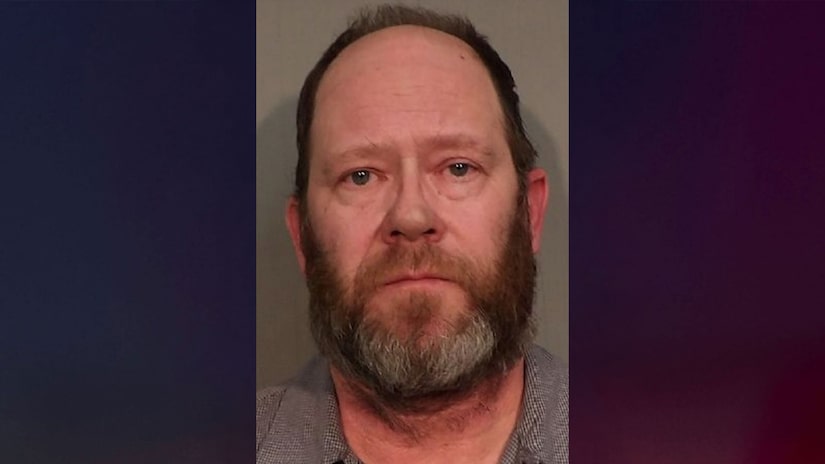
Dale Warner, the Michigan farmer and businessman convicted of murdering his wife, Dee Ann Warner, is serving a lengthy prison sentence after a case that began with her disappearance in April 2021. His conviction followed years of investigation, the discovery of Dee’s remains inside a welded fertilizer tank and a trial that exposed the breakdown of their marriage and disputes over their agricultural businesses.
Warner, 58 at the time of his sentencing in May 2026, was found guilty of second-degree murder and tampering with evidence. A Lenawee County judge imposed consecutive sentences carrying a combined maximum of 70 years in prison, bringing the criminal proceedings to a conclusion more than five years after Dee vanished.
The case is the focus of ABC’s 20/20 episode “Help Dale Find Dee,” airing Friday, October 23, 2026. The two-hour investigation revisits Warner’s relationship with his wife, his explanations for her disappearance, the evidence that led to his arrest and the murder trial that resulted in his conviction.
- “Help Dale Find Dee”: 20/20 Reports on Dee Warner Homicide October 23 2026
- Who Was Dee Warner & What Happened to Her? 2026 Update & Profile
Contents
- Who Is Dale Warner?
- Dale and Dee Warner’s Marriage Before Her Disappearance
- What Did Dale Warner Say Happened to His Wife?
- Why Did Dee Warner’s Family Suspect Dale?
- Dale Warner’s Arrest in November 2023
- Dee Warner’s Body Discovered in a Fertilizer Tank
- What Evidence Led to Dale Warner’s Conviction?
- What Sentence Did Dale Warner Receive?
- Where Is Dale Warner Now in 2026?
- When Will Dale Warner Be Eligible for Parole?
- Does Dale Warner Still Maintain His Innocence?
- What Happened to Dale Warner’s Family and Businesses?
- How Did Dee Warner’s Family React to His Sentence?
- Dale Warner’s Case Featured on ABC’s 20/20
- More “Help Dale Find Dee”
- More Feature Articles
Who Is Dale Warner?
Dale John Warner was a Michigan farmer and businessman who operated agricultural enterprises in Lenawee County. His family had longstanding connections to the farming industry, and his work involved agricultural equipment, fertilizer operations and businesses associated with the family’s rural property.
Dale met Dee Ann Hardy through their work in agriculture. Both had been married before their relationship began, and their respective families had a history of rivalry within the local farming community.
The pair married in 2006 and established a blended family. Dee had four children from her previous marriage, Dale had four children from his, and they had a daughter together named Angalena.
The Warners lived on a farm covering approximately 1,500 acres near Tipton, Michigan. Their businesses included farming, fertilizer operations and a trucking company managed by Dee. The couple’s personal and professional lives were connected through the property and their shared financial interests.
Dale and Dee Warner’s Marriage Before Her Disappearance
Although Dale and Dee shared business interests, their marriage deteriorated in the years before her death. Family members and employees described disagreements over finances, business management and their relationship.
Dee’s daughter, Rikkell Bock, described the marriage as toxic. Witness accounts included allegations that Dale monitored Dee’s movements and placed a tracking device on her vehicle. The allegations became part of the evidence examined during the criminal investigation.
Dee expressed dissatisfaction with the marriage in text messages presented during Dale’s trial. In one message, she wrote, “I’m ready to move out and be done with this.” Other messages described the couple as roommates whose relationship had deteriorated.
Prosecutors argued that Dee wanted a divorce and intended to sell the family’s businesses. They maintained that those plans threatened Dale’s personal and financial interests and provided the motive for the killing.
What Did Dale Warner Say Happened to His Wife?
Dee Warner disappeared during the weekend of April 24–25, 2021. Dale told investigators that he and Dee had argued and that he last saw her sleeping on a couch at their home.
According to his account, Dee had left the property following their disagreement. He suggested she might have gone away and could return, an explanation that her family questioned because of her responsibilities and close relationships with her children.
On April 25, Dee’s daughter Rikkell Bock arrived at the farm for their regular Sunday breakfast and discovered her mother was missing. Dee’s vehicles remained at the property, but her phone and some personal belongings were gone.
Investigators found no confirmed evidence that Dee had left the farm. Her bank accounts, phone activity and social media showed no signs of normal use after her disappearance, and surveillance evidence did not establish that she had departed.
Why Did Dee Warner’s Family Suspect Dale?
Dee’s brother, Gregg Hardy, became one of the leading figures in the search for his sister. He questioned Dale’s explanation and believed Dee had been killed rather than abandoning her family and businesses.
Hardy organised searches of the Warner property and worked with investigative attorney Billy Little Jr. to examine evidence and pursue information about Dee’s disappearance. Their efforts continued as the initial investigation failed to locate her.
The family’s campaign included public appeals, media interviews and a roadside billboard displaying the words “Help Dale Find Dee.” The message was intended to challenge Dale’s account and place attention on his role in the investigation.
Dale maintained his innocence as the search continued. The disagreement between his account and the family’s suspicions became a central element of the case before authorities brought criminal charges.
Dale Warner’s Arrest in November 2023
Michigan State Police took over the investigation in August 2022 after the Lenawee County Sheriff’s Office requested assistance. Investigators examined witness statements, electronic records, surveillance evidence and activity involving the Warner property.
On November 21, 2023, police arrested Dale Warner in connection with Dee’s death. He was charged with murder and tampering with evidence, despite investigators having not recovered her remains.
Dale appeared in court on November 22 and pleaded not guilty. His bond was set at $20 million, and the prosecution began preparing a case based on evidence collected during the missing-person investigation.
The arrest marked a significant development, but the search for Dee continued. Her body remained missing for another nine months, leaving investigators without the physical evidence that would become central to the trial.
Dee Warner’s Body Discovered in a Fertilizer Tank
On August 16, 2024, investigators executing a search warrant discovered human remains inside an agricultural fertilizer tank on the Warner property. The tank had been used for anhydrous ammonia, a chemical associated with agricultural fertilizer operations.
The container had been sealed with welding. Investigators used imaging equipment during their examination and discovered a body concealed inside.
Authorities confirmed on August 21 that the remains belonged to Dee Warner. Dental records established her identity, ending a search that had continued for more than three years.
An autopsy determined that Dee died from strangulation and blunt-force trauma to her head and face. Prosecutors said her body was found wrapped in a tarp, wearing pyjamas, with duct tape around her face and neck.
The discovery supported a theory raised by Gregg Hardy, who recalled seeing Dale painting a rusty fertilizer tank after Dee disappeared. The tank and the forensic evidence recovered from it became major elements of the prosecution’s case.
What Evidence Led to Dale Warner’s Conviction?
Dale Warner’s murder trial began on February 12, 2026, in Lenawee County Circuit Court. Prosecutors presented evidence concerning the breakdown of his marriage, the financial disputes between the couple and the circumstances surrounding Dee’s disappearance.
Witnesses included family members, former employees, police investigators and forensic specialists. Jurors examined text messages, surveillance footage, cell phone records, vehicle data and testimony concerning the fertilizer tank.
Prosecutors alleged that Dale killed Dee after she told him she wanted a divorce and intended to sell their businesses. They argued that he concealed her body in a safe before using farming machinery to transport it to a barn, where he placed it inside the tank.
According to the prosecution, the tank was cut open, welded shut, painted and fitted with markings to make it resemble other agricultural equipment. The defence challenged that reconstruction and maintained that the evidence did not prove Dale was responsible for the murder.
The jury visited the Warner property during the trial. Investigators and experts explained how the tank had been examined, while medical testimony established that Dee died from strangulation and blunt-force injuries.
After approximately nine hours of deliberations, the jury returned guilty verdicts on March 10, 2026, convicting Dale of second-degree murder and tampering with evidence.
What Sentence Did Dale Warner Receive?
Dale Warner was sentenced on May 7, 2026, by Lenawee County Circuit Judge Michael Olsaver. The judge imposed a sentence of 31 years and three months to 60 years for second-degree murder and a consecutive sentence of 17 months to 10 years for tampering with evidence.
The sentences carry a combined maximum of 70 years. Warner received credit for 898 days already served on the murder conviction, but no credit for time served on the evidence-tampering conviction.
During the sentencing hearing, Judge Olsaver discussed the harm caused to Dee’s family and the circumstances surrounding the killing. He identified the breakdown of the marriage and the potential financial consequences of divorce as central factors in the case.
Members of Dee’s family delivered victim impact statements describing the years spent searching for her and the effect of her murder. Her brother Gregg Hardy, daughter Rikkell Bock and other relatives addressed the court.
Warner declined to make a statement before sentencing. His attorney, Mary Chartier, told the court that he maintained his innocence and intended to pursue an appeal. She also pointed to his lack of previous criminal convictions.
Where Is Dale Warner Now in 2026?
As of October 2026, the latest confirmed reporting places Dale Warner at Alger Correctional Facility in Munising, Michigan, where he is serving his sentence for the murder of Dee Warner and tampering with evidence.
Warner was transferred to the prison on July 29, 2026, according to the Michigan Department of Corrections. Before the transfer, he had been held at the Charles E. Egeler Reception and Guidance Center in Jackson, Michigan.
Alger Correctional Facility is a state prison in Michigan’s Upper Peninsula. It houses adult male prisoners in Level II and Level IV security units and includes general population housing and segregation units.
The facility operates educational, employment-readiness, violence-prevention and substance-abuse programmes. Its security infrastructure includes perimeter fencing, electronic detection systems, armed patrols and guard towers.
Warner’s transfer marked the beginning of his placement within Michigan’s prison system following sentencing. Public reporting has not established which housing unit he occupies or whether he is participating in any prison programmes.
When Will Dale Warner Be Eligible for Parole?
Dale Warner faces a lengthy period of imprisonment under the consecutive sentences imposed in May 2026. Lenawee County Prosecutor Jackie Wyse stated that his parole eligibility would come after approximately 32 years and eight months.
That calculation accounts for the minimum prison terms and the credit awarded for time Warner had spent in custody before sentencing. It places his potential parole eligibility around 2059, when he would be approximately 91 years old.
Parole eligibility does not mean automatic release. Michigan’s parole authorities would assess his case under the applicable legal requirements before deciding whether he could leave prison.
The maximum combined sentence is 70 years, and Warner could remain incarcerated for the rest of his life. His age at sentencing and the length of his minimum term make any eventual release a distant prospect.
Does Dale Warner Still Maintain His Innocence?
Dale Warner maintained his innocence throughout the criminal proceedings. He pleaded not guilty following his arrest in November 2023, and his defence challenged the prosecution’s evidence during the trial.
His attorneys argued that the case depended on circumstantial evidence and that investigators had not established every detail of how Dee was killed. They disputed the prosecution’s interpretation of witness statements, electronic records and physical evidence.
Following the guilty verdict, defence attorney Mary Chartier stated that Warner continued to deny killing his wife. At the May 2026 sentencing hearing, she indicated that he intended to challenge his convictions through the appeals process.
Warner declined to address the court before his sentence was imposed. His defence team’s stated intention to appeal does not alter the jury’s verdict or the prison sentences currently in effect.
What Happened to Dale Warner’s Family and Businesses?
The murder investigation affected the Warner family’s personal relationships and agricultural businesses. Dee’s disappearance had left questions concerning ownership, management and the future of the enterprises she operated with Dale.
The family’s operations included trucking, farming and fertilizer businesses. Prosecutors argued that disputes over those assets contributed to the breakdown of the marriage and provided a motive for the killing.
The case also involved Dale’s son, Jaron Warner, who was charged in March 2025 with offences related to evidence tampering and being an accessory. Those charges were dropped in May 2025, before Dale’s murder trial.
Separate civil proceedings followed the criminal investigation. Attorneys representing Dee’s children filed a wrongful-death lawsuit seeking $100 million in damages from Dale Warner.
The civil lawsuit concerned allegations surrounding Dee’s death and the harm caused to her family. It was separate from the criminal prosecution that resulted in Dale’s conviction.
How Did Dee Warner’s Family React to His Sentence?
Members of Dee Warner’s family described the conviction and sentencing as the conclusion of a campaign that had consumed nearly five years. Gregg Hardy had helped lead the search for his sister and pressed investigators to examine Dale’s account of her disappearance.
During the sentencing hearing, Hardy and other relatives spoke about the impact of Dee’s murder. They described the uncertainty surrounding her disappearance, the search for her remains and the consequences for her children and extended family.
Dee’s sister-in-law Shelley Hardy told the court that the family had fought for justice. She removed a yellow “Justice for Dee” bracelet that she had worn throughout the years following Dee’s disappearance.
Judge Olsaver addressed the suffering caused by the concealment of Dee’s body. The family had spent more than three years without knowing where her remains were located before investigators discovered them in August 2024.
The verdict and sentencing established criminal accountability for Dee’s death. For the family, the outcome also brought an end to the central criminal proceedings that followed her disappearance.
Dale Warner’s Case Featured on ABC’s 20/20
ABC’s 20/20 examines the case in “Help Dale Find Dee,” airing Friday, October 23, 2026, at 9/8c. The two-hour episode revisits the disappearance, the family’s efforts to find Dee and the investigation that led to Dale Warner’s conviction.
The programme’s title refers to a billboard arranged by Dee’s brother, Gregg Hardy, during the search. The message was intended to draw attention to Dale and challenge his explanation that Dee had left the family home following an argument.
The case has also been examined by Dateline, 48 Hours, Disappeared and People Magazine Investigates, reflecting the national attention surrounding Dee’s disappearance and the discovery of her remains.
Dale Warner remains imprisoned following his convictions for second-degree murder and tampering with evidence. His sentence, with a combined maximum of 70 years, represents the outcome of a criminal case that began when his wife vanished from their Michigan farm in April 2021.
More “Help Dale Find Dee”
- “Help Dale Find Dee”: 20/20 Reports on Dee Warner Homicide October 23 2026
- Who Was Dee Warner & What Happened to Her? 2026 Update & Profile
- Who Is Dale Warner & Where Is He Now? 2026 Update & Profile
More Feature Articles
- “Help Dale Find Dee”: 20/20 Reports on Dee Warner Homicide October 23 2026
- “Blindsided”: Brandon Boudreaux Breaks His Silence on Lori Vallow Daybell Murder Plot on Dateline NBC October 23 2026 Episode
- “What the Cameras Saw”: 48 Hours Reports on Savannah Hancock Tolbert Homicide October 24 2026
- “The Mansion Above Dale Hollow Lake”: 48 Hours Reports on Michael Harding Homicide October 24 2026