


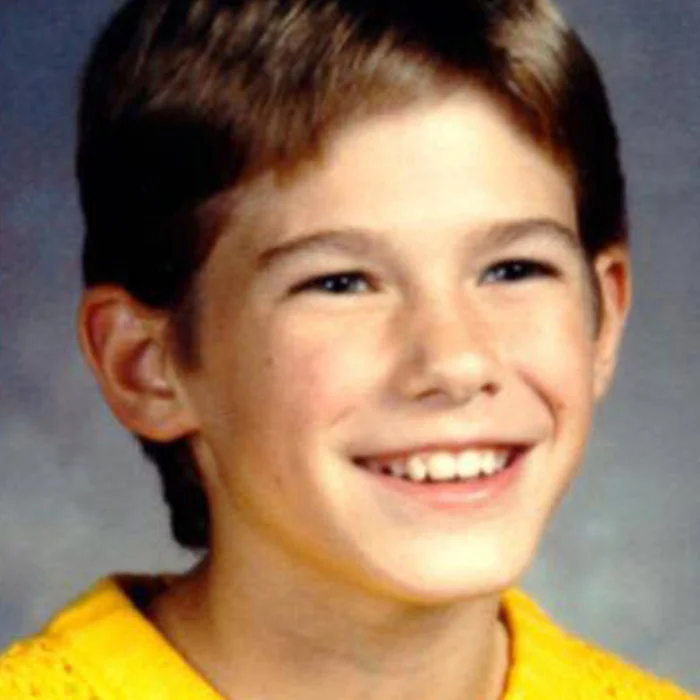
Jacob Wetterling was only 11 years old when he disappeared while riding his bicycle home on an autumn evening in rural Minnesota. His abduction on October 22, 1989, became one of the most closely followed missing child cases in American history and remained unsolved for nearly 27 years. Although his life was cut tragically short, Jacob’s story transformed the way the United States responds to missing children and helped inspire landmark child protection legislation.
ABC’s 20/20 revisits Jacob’s story in the special Where Are You, Jacob?, exploring both the investigation into his disappearance and the enduring legacy left by a child whose name became synonymous with hope, advocacy and safer communities.
- “Where Are You, Jacob?”: 20/20 Revisits the Jacob Wetterling Case July 17 2026
- Who Is Danny Heinrich & Where Is He Now? 2026 Update & Profile
Contents
- A Childhood in Central Minnesota
- The Night Everything Changed
- A Search That Captured the Nation
- Patty and Jerry Wetterling Refused to Give Up
- The Law That Bears Jacob’s Name
- Answers After Nearly Twenty-Seven Years
- Remembering Jacob Beyond the Crime
- A Legacy That Continues Today
- More “Where Are You, Jacob?”
- More Feature Articles
A Childhood in Central Minnesota
Jacob Erwin Wetterling was born on February 17, 1978, in Long Prairie, Minnesota, to parents Jerry and Patty Wetterling. He grew up in nearby St. Joseph, a small community northwest of Minneapolis known for its close-knit neighborhoods and quiet rural surroundings.
Friends and family remembered Jacob as an energetic, kind and curious boy who enjoyed spending time outdoors, riding his bicycle and playing sports. Like many children his age, he valued spending time with friends and looked forward to simple activities such as renting movies from the local convenience store.
Jacob’s parents have often described him as thoughtful and compassionate, with a strong sense of fairness and an ability to make friends easily. Those who knew him have said he had a gentle personality and enjoyed helping others, qualities that later became central themes in the efforts to honor his memory.
His childhood reflected the freedom many children experienced in small-town America during the 1980s. Parents commonly allowed children to ride bicycles around their neighborhoods, visit friends independently and enjoy a level of freedom that would later become far less common following Jacob’s disappearance.
The Night Everything Changed
On the evening of October 22, 1989, Jacob rode his bicycle to a nearby convenience store with his younger brother Trevor and friend Aaron Larson to rent a videotape. Shortly after 9 p.m., the three boys began riding home along a quiet road outside St. Joseph.
As they approached a driveway, a masked man armed with an unloaded revolver emerged from the darkness and ordered the boys into a ditch. The gunman instructed them to lie face down before asking each child how old they were.
The attacker first ordered Trevor to run into nearby woods without looking back, threatening to shoot him if he turned around. Aaron received the same instruction moments later. Jacob was forced to remain behind before the gunman abducted him at gunpoint.
Neither Trevor nor Aaron saw what happened next. Jacob was never seen alive again.
A Search That Captured the Nation
Jacob’s disappearance prompted an immediate search involving local law enforcement, the Minnesota Bureau of Criminal Apprehension, the FBI, the National Guard and hundreds of volunteers. Search teams combed fields, forests, rivers and nearby communities while aircraft searched from above.
Investigators received thousands of tips from across the country. Composite sketches were released, witnesses interviewed and physical evidence collected, but none produced the breakthrough investigators desperately needed. Jacob appeared to have vanished without leaving a trail.
National media quickly focused on the case, turning Jacob into one of America’s most recognizable missing children. Television news programs regularly covered developments, while newspapers across the country published his photograph in the hope someone might recognize him.
As months turned into years, Jacob’s disappearance became one of the nation’s best-known cold cases. Despite renewed investigations, new suspects and advances in forensic science, no definitive answers emerged for decades.
Patty and Jerry Wetterling Refused to Give Up
Rather than withdrawing from public life, Jacob’s parents transformed their grief into advocacy. Only months after Jacob disappeared, Jerry and Patty Wetterling established what became the Jacob Wetterling Foundation to educate families about child safety and support efforts to prevent crimes against children.
Patty Wetterling became one of America’s most respected child protection advocates, speaking before lawmakers, working alongside law enforcement agencies and helping families affected by similar tragedies. She remained committed to finding Jacob while advocating for reforms that could protect other children.
Throughout the years, Patty repeatedly emphasized hope rather than fear. She encouraged communities to remain connected, to support one another and to teach children practical safety skills without creating unnecessary anxiety.
The foundation later evolved into the Jacob Wetterling Resource Center, expanding its educational programs and eventually becoming part of the Zero Abuse Project, where its mission continues through child abuse prevention and professional training.
The Law That Bears Jacob’s Name
Jacob’s disappearance prompted calls for stronger laws governing convicted sex offenders. Those efforts resulted in passage of the Jacob Wetterling Crimes Against Children and Sexually Violent Offender Registration Act in 1994.
The legislation required every U.S. state to establish a registry of convicted sex offenders, creating the first nationwide framework for tracking individuals convicted of qualifying offenses after their release. The law represented a major shift in child protection policy.
Later legislation expanded upon Jacob’s law. Megan’s Law, enacted in 1996, required community notification about certain registered offenders, while the Adam Walsh Child Protection and Safety Act of 2006 strengthened the national registration system and standardized requirements across states.
Although Jacob never lived to see these changes, his name became permanently associated with efforts to improve public safety and strengthen protections for children throughout the United States.
Answers After Nearly Twenty-Seven Years
For almost three decades, Jacob’s family lived without knowing what had happened to him. That changed in 2016 when advances in DNA testing connected Danny Heinrich to the earlier kidnapping and sexual assault of another Minnesota boy, Jared Scheierl.
Confronted with mounting evidence and facing federal charges related to child sexual abuse material, Heinrich agreed to cooperate with investigators. On August 31, 2016, he led authorities to a pasture near Paynesville, Minnesota, where Jacob’s remains had been buried since shortly after the abduction.
Dental records confirmed the remains belonged to Jacob. For his family, the discovery ended nearly 27 years of uncertainty while beginning a period of mourning that had long been delayed.
During a federal court hearing, Heinrich confessed to kidnapping, sexually assaulting and murdering Jacob on the night of the abduction. He also admitted abducting and sexually assaulting Jared Scheierl earlier that same year. As part of a plea agreement, Heinrich received a 20-year federal prison sentence on a child pornography conviction after prosecutors agreed not to pursue murder charges in exchange for his confession and the recovery of Jacob’s remains.
Remembering Jacob Beyond the Crime
Those closest to Jacob have consistently emphasized that they want him remembered as more than the victim of a crime. Family members have spoken about his kindness, his curiosity and his love of spending time with friends rather than allowing the circumstances of his death to define his life.
Community memorials, educational programs and annual events continue to celebrate Jacob’s life. The Bridge of Hope near St. Cloud, Minnesota, bears his name, while schools, community organizations and advocacy groups continue promoting child safety through programs inspired by his story.
The “11 for Jacob” campaign encourages people to perform acts of kindness that reflect the values Jacob displayed during his life. The initiative shifts attention from the tragedy itself toward creating stronger, more caring communities.
Books, documentaries and podcasts, including Dear Jacob: A Mother’s Journey of Hope by Patty Wetterling and the acclaimed In the Dark podcast, have also introduced Jacob’s story to new generations while examining both the investigation and the lasting impact of his family’s advocacy.
A Legacy That Continues Today
More than three decades after Jacob disappeared, his influence continues to shape child protection efforts across the United States. His case led to lasting changes in missing child investigations, sex offender registration laws and public awareness surrounding child safety.
Patty Wetterling has often said that Jacob’s greatest legacy is not the tragedy that took his life, but the hope that emerged from it. Through advocacy, education and prevention efforts, countless children and families have benefited from reforms inspired by his story.
ABC’s 20/20 special Where Are You, Jacob? revisits both the heartbreaking investigation and the remarkable legacy that followed. While the case ended with the answers Jacob’s family had sought for nearly 27 years, it also left a permanent mark on American child protection policies and ensured that Jacob Wetterling’s name would continue to represent hope, resilience and the determination to protect future generations.
More “Where Are You, Jacob?”
- “Where Are You, Jacob?”: 20/20 Revisits the Jacob Wetterling Case July 17 2026
- Who Was Jacob Wetterling & What Happened to Him? 2026 Update & Profile
- Who Is Danny Heinrich & Where Is He Now? 2026 Update & Profile
More Feature Articles
- “Where Are You, Jacob?”: 20/20 Revisits the Jacob Wetterling Case July 17 2026
- “Slow Burn”: Dateline NBC Reports on Caneiro Family Homicides July 17 2026
- “Secrets of the Sliding Door”: Dateline NBC Reports on Simeonette Mapes-Crupi Homicide July 18 2026
- “The Footprint”: 48 Hours Reports on Jeanie Childs Homicide on July 18 2026