Where Is Lindsay Clancy Now? 2026 Update & Profile
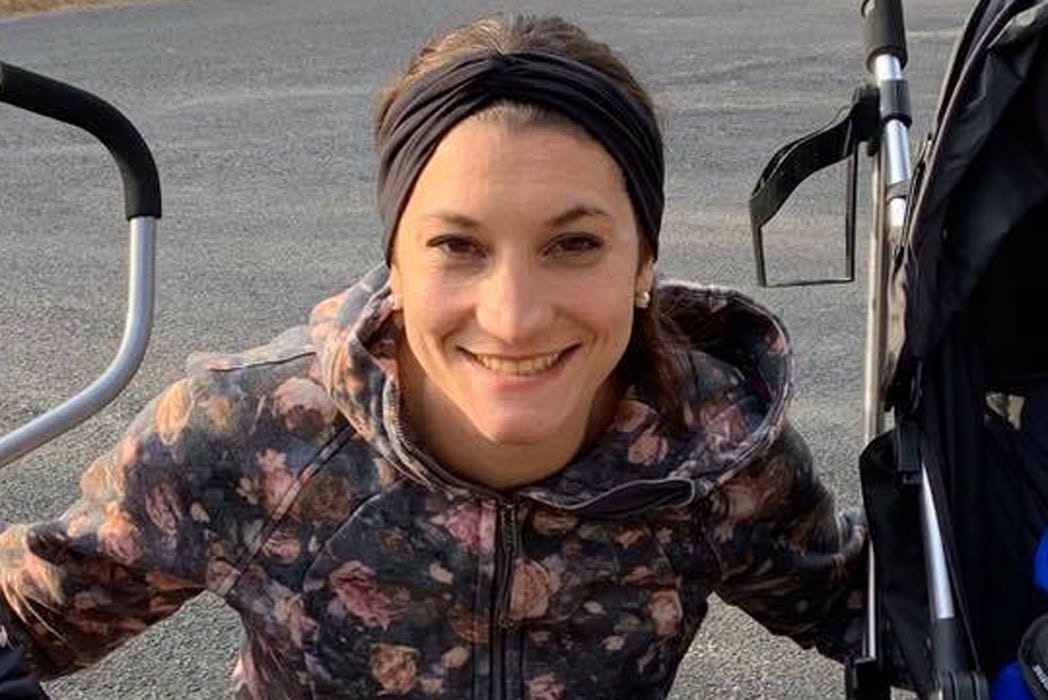
More than three years after Lindsay Clancy killed her three young children inside the family’s Duxbury, Massachusetts, home, the former labor and delivery nurse remains in state custody as one of the most closely watched murder cases in the country enters another uncertain stage.
Clancy, now 36, admitted that she strangled 5-year-old Cora, 3-year-old Dawson and 8-month-old Callan on January 24, 2023. She then attempted to take her own life by going out a second-story window, suffering injuries that left her paralyzed from the waist down. She has never disputed causing the children’s deaths. The legal battle has centered on whether severe mental illness left her criminally responsible for what she did.
That question remained unanswered when her first murder trial ended in a mistrial on September 4, 2026. After seven days and about 38 hours of deliberations, the jury could not reach a unanimous verdict. Clancy remains charged with murder and continues to live under state custody at a Massachusetts hospital while prosecutors decide whether to try her again.
Contents
- Lindsay Clancy Was a Labor and Delivery Nurse and Mother of Three
- The Killings Changed Lindsay Clancy’s Life in Minutes
- Where Is Lindsay Clancy Now?
- Clancy Is Paralyzed and Uses a Wheelchair
- Her Marriage to Patrick Clancy Is Over
- Lindsay Clancy Has Claimed She Was Psychotic When She Killed the Children
- The 2026 Trial Put Clancy Back in the Public Eye
- The Jury Reportedly Came Within One Vote of Acquitting Her
- The Mistrial Did Not Set Lindsay Clancy Free
- Lindsay Clancy Could Face a Second Murder Trial
- A September 29 Hearing Could Reveal What Happens Next
- A Conviction Could Mean Life in Prison
- An Insanity Acquittal Would Not Necessarily Mean Freedom
- Clancy and Patrick Have Also Sued Her Medical Providers
- Clancy’s Former Life No Longer Exists
- The Case Is Now Back Where It Began
Lindsay Clancy Was a Labor and Delivery Nurse and Mother of Three
Before her name became associated with one of Massachusetts’ most disturbing criminal cases, Clancy worked as a labor and delivery nurse at Massachusetts General Hospital. She and Patrick Clancy met in 2013 and married in December 2016. They eventually settled in Duxbury, south of Boston, and had three children.
Cora was born in December 2017, followed by Dawson and then Callan in May 2022. Testimony at Lindsay’s trial portrayed her as an involved mother who read to the children, arranged activities, displayed their artwork around the house and managed much of their daily care. Patrick told jurors that he had never seen her physically hurt the children before the killings.
The picture changed after Callan’s birth. Lindsay began experiencing mental-health problems and sought treatment from several providers. Her symptoms included anxiety, depression, insomnia, suicidal thinking and thoughts involving harm to the children. Her treatment included numerous psychiatric medications and a short stay at McLean Hospital weeks before the killings.
Those months later became the foundation of her defense. Her attorneys argued that what appeared from the outside to be a mother struggling with depression was the development of severe postpartum psychiatric illness that culminated in psychosis.
The Killings Changed Lindsay Clancy’s Life in Minutes
On January 24, 2023, Patrick Clancy left the family’s home to collect children’s medication and takeout food. Lindsay remained home with Cora, Dawson and Callan.
During Patrick’s absence, Lindsay took the children into the basement and strangled them with exercise bands. Cora and Dawson died that evening. Callan was resuscitated and taken to Boston Children’s Hospital but died three days later.
After attacking the children, Lindsay injured herself with a knife and went out a second-floor bedroom window. Patrick returned home and found her outside. He then discovered the children in the basement while speaking with a 911 dispatcher.
Lindsay survived the fall, but the injuries changed her physical condition for life. She suffered spinal damage and became paralyzed from the waist down. She now uses a wheelchair and has appeared in court in one throughout the criminal proceedings.
Her suicide attempt also meant that the woman eventually charged with three murders required substantial medical care before she could participate in ordinary criminal proceedings.
Where Is Lindsay Clancy Now?
As of September 5, 2026, Lindsay Clancy remains in custody at Tewksbury Hospital in Massachusetts, a state-run facility capable of providing psychiatric and complex medical treatment.
She is not living independently and has not been released following the mistrial. The failure of the jury to reach a verdict returned the criminal case to essentially the same legal position it occupied before the trial. The charges remain active, and Clancy remains a criminal defendant.
Tewksbury is different from a conventional county jail or state prison. Clancy requires both psychiatric treatment and care associated with her paralysis, factors that contributed to her placement in a hospital setting rather than an ordinary correctional facility.
She has spent much of the period since the killings in institutional care. Reports during her trial described Tewksbury Hospital as her long-term residence under court authority. She remains in custody even though the setting is medical rather than correctional.
Clancy Is Paralyzed and Uses a Wheelchair
The consequences of Clancy’s attempt to kill herself remain visible each time she appears in court.
Her fall from the second floor of the Duxbury home caused spinal injuries that left her paralyzed below the waist. During the 2026 trial she sat in a wheelchair beside her attorneys and was transported between Tewksbury and Plymouth Superior Court for proceedings.
The paralysis has become part of her circumstances but was not the central issue at trial. Jurors were not being asked to determine whether she was physically capable of serving a sentence. They were deciding whether she possessed criminal responsibility when she killed the children.
If she is eventually convicted and sentenced to incarceration, Massachusetts authorities would have to accommodate her medical needs within the correctional system. If she is found not criminally responsible, her future would instead center on psychiatric commitment and periodic court review.
Her Marriage to Patrick Clancy Is Over
Lindsay and Patrick Clancy are no longer married.
Patrick divorced Lindsay after the killings. He has since remarried and moved to New York City, where he works in technology. His changed circumstances became public during Lindsay’s 2026 murder trial.
Their divorce did not mean Patrick abandoned his earlier position on Lindsay’s mental illness. Days after his children died, he issued a public statement saying that he had forgiven his wife and asked other people to do the same.
He maintained that position when he testified at her trial more than three years later. Although prosecutors called him as their first witness, portions of his testimony supported the defense’s portrayal of Lindsay as a devoted mother whose mental health had deteriorated before the killings.
Patrick testified that Lindsay had discussed thoughts of harming herself and, at one point, thoughts involving the children. He said he asked whether she should be kept away from them, but she told him no. He also testified that medical professionals had not instructed him that Lindsay could not be left alone with the children.
Lindsay Clancy Has Claimed She Was Psychotic When She Killed the Children
Clancy has never built her defense around denying the killings. Instead, her attorneys argued that postpartum psychosis made her legally incapable of appreciating the wrongfulness of her actions.
She later described hearing a male voice directing her to kill the children and herself. Defense experts testified that the account was consistent with a command hallucination and argued that she had been experiencing bipolar disorder with postpartum psychosis.
The prosecution rejected that interpretation. Its experts agreed that Clancy had psychiatric problems but disputed that she was psychotic when she killed the children. Prosecutors argued that her actions before and during the killings demonstrated planning, decision-making and an understanding that what she was doing was wrong.
That distinction matters under Massachusetts law. A person can suffer from a serious psychiatric illness and remain legally responsible for a crime. Clancy’s defense therefore needed to establish more than the existence of depression, anxiety or another diagnosis. It sought to show that mental disease prevented her from appreciating the wrongfulness of her conduct or conforming her conduct to the law.
The 2026 Trial Put Clancy Back in the Public Eye
After years of hearings and pretrial litigation, Clancy’s trial began in Plymouth Superior Court in July 2026.
The proceeding lasted about five weeks and included testimony from more than 80 witnesses along with hundreds of exhibits. Jurors heard from Patrick Clancy, family members, doctors, nurses, psychiatric experts, police officers and others involved in the case.
Clancy appeared throughout the proceedings in her wheelchair. She rarely became the most animated person in the courtroom, but observers reported moments when she cried or reacted to testimony and images concerning her children.
The trial also attracted supporters who viewed the case through the issue of postpartum mental illness. Hundreds of people gathered outside the courthouse during the proceedings, some advocating greater recognition and treatment of postpartum psychosis. Others emphasized the deaths of Cora, Dawson and Callan and argued that Clancy should be held criminally responsible.
The Jury Reportedly Came Within One Vote of Acquitting Her
The trial ended without the result either side wanted.
Jurors began deliberating after weeks of testimony and soon indicated that they were having difficulty reaching agreement. Judge William Sullivan sent them back several times to continue considering the evidence.
Court notes indicated that the jury had split 11-1. Reporting following the trial described the majority as favoring a finding that would have resulted in Clancy being acquitted because she lacked criminal responsibility, with one juror refusing to join the other 11.
The jury foreperson eventually raised concerns about whether the holdout juror was applying the court’s instructions on reasonable doubt. Defense attorney Kevin Reddington sought to have the judge investigate and remove the juror.
Sullivan refused. Reddington then attempted an emergency appeal to Massachusetts’ highest court in an effort to prevent the trial from ending in a mistrial. That effort failed.
On September 4, Sullivan discharged the jury and declared a mistrial.
The Mistrial Did Not Set Lindsay Clancy Free
A mistrial does not operate like an acquittal.
Clancy was not found not guilty, and the jury did not determine that she lacked criminal responsibility. Because there was no unanimous verdict, the prosecution remains active and the original charges survive.
That means Clancy returned to Tewksbury Hospital rather than walking out of court following the mistrial. Her custody status continues while the Plymouth County District Attorney’s Office decides how it wants to proceed.
District Attorney Timothy Cruz said after the mistrial that he had not made a decision on whether to retry the case. The seriousness of the allegations gives prosecutors a strong reason to consider another trial, but another prosecution would require many witnesses and experts to repeat testimony from a lengthy and difficult proceeding.
Lindsay Clancy Could Face a Second Murder Trial
The most important question surrounding Clancy now is whether prosecutors will put her before another jury.
Massachusetts law permits a retrial after a jury deadlocks. Because the first jury did not acquit Clancy, double-jeopardy protections do not prevent prosecutors from trying the murder charges again.
A second trial would begin with a new jury. Prosecutors and defense attorneys could change their strategies based on what they learned from the first case, including which psychiatric testimony proved persuasive and which portions of the evidence created problems.
The reported 11-1 split could factor into that decision. From the defense’s perspective, it suggests that the overwhelming majority of the first jury accepted at least enough of its psychiatric evidence to reject criminal responsibility. Prosecutors could view the same result as evidence that one juror remained convinced the Commonwealth had proved its case.
A retrial is therefore possible but was not yet confirmed as of September 5. Cruz said no final decision had been made.
A September 29 Hearing Could Reveal What Happens Next
Clancy’s next scheduled court appearance is a September 29, 2026 status hearing.
That hearing could provide the first substantial indication of whether prosecutors intend to seek another trial, negotiate a resolution or pursue another course.
A plea agreement remains possible in criminal cases following a mistrial, although there is no public indication that the parties have reached one. Prosecutors could also change or reduce the charges, while dismissal is legally possible. None of those outcomes had been announced when the first trial ended.
Until the Commonwealth makes its decision, Clancy remains where she was before the jury began deliberating: in state custody, facing unresolved murder charges.
A Conviction Could Mean Life in Prison
The possible outcomes for Clancy remain far apart.
A conviction on first-degree murder charges could expose her to life imprisonment without the possibility of parole. That would move her legal status from a pretrial defendant receiving treatment under court authority to a convicted prisoner serving a sentence.
Her paralysis would not eliminate a prison sentence. The state would be responsible for providing required medical treatment and accommodating her disability while she served the sentence.
Lesser homicide convictions could produce different sentencing outcomes depending on the offense returned by a future jury.
The defense continues to seek the opposite result: a determination that Clancy was not criminally responsible because of mental illness.
An Insanity Acquittal Would Not Necessarily Mean Freedom
One of the most common misconceptions surrounding the case is that a finding of not guilty by reason of lack of criminal responsibility would allow Clancy to return home.
That is not necessarily what would happen.
A defendant acquitted because of insanity can be committed to a psychiatric facility following evaluation if the court determines that commitment is warranted. Clancy’s future would then depend on psychiatric assessments and judicial reviews rather than a fixed criminal sentence.
Her case presents an additional complication because she already requires significant medical and psychiatric care. Even a successful insanity defense could therefore leave her institutionalized rather than living freely in the community.
The distinction would concern the legal basis for her confinement. A conviction would mean punishment for criminal responsibility. An insanity acquittal could result in confinement because of psychiatric risk and treatment needs.
Clancy and Patrick Have Also Sued Her Medical Providers
Another part of Clancy’s life now unfolds outside the criminal courtroom.
Both Lindsay and Patrick have pursued civil claims connected with the psychiatric treatment Lindsay received before the killings. The lawsuits allege that providers failed to diagnose and treat her condition properly and that failures in her care contributed to the events of January 24, 2023.
Those claims are separate from the question of whether Lindsay is criminally responsible. A medical provider could face civil liability even if a criminal jury reached a different conclusion about Lindsay’s legal state of mind.
The lawsuits also mean litigation connected with the Clancy family could continue for years even after the murder prosecution reaches an eventual conclusion.
Clancy’s Former Life No Longer Exists
Almost every major part of Lindsay Clancy’s life before January 2023 has disappeared.
She is no longer working as a labor and delivery nurse. The Duxbury family home is no longer her home. Her marriage has ended. Patrick has moved to New York, remarried and begun another chapter of his life. Their three children are dead.
Clancy herself lives in a state hospital, uses a wheelchair and remains subject to murder charges carrying the possibility of spending the rest of her life in prison.
There is no conventional version of a “where are they now?” ending in her story. She has not served a sentence and been released. She has not been acquitted. She has not been convicted. More than three and a half years after the deaths, even the central legal question remains unsettled.
The Case Is Now Back Where It Began
The September 2026 mistrial leaves Lindsay Clancy in an unusual position.
Everyone involved in the case knows that she killed Cora, Dawson and Callan. The physical events of January 24, 2023 are no longer the central dispute. What remains unresolved is how the law should judge the person who committed them.
The first jury spent seven days trying to answer that question and failed to produce the unanimity required for a verdict. Eleven jurors reportedly stood on one side of the divide and one stood on the other.
For Lindsay Clancy, that means there has been no final outcome. She remains at Tewksbury Hospital, remains paralyzed, remains divorced from Patrick Clancy and remains accused of murdering all three of her children.
Her next known legal milestone comes on September 29, 2026. Until prosecutors announce what they intend to do, one of Massachusetts’ most high-profile murder cases remains unfinished.